

White label fulfillment services have quietly become one of the most important operational decisions for modern e-commerce and apparel brands. As customer expectations rise and competition intensifies, fulfillment is no longer just about delivering products it is about delivering brand trust, consistency, and reliability at scale.
This guide explains white label fulfillment services in practical terms. It goes beyond surface definitions to help you understand how these services work, why brands adopt them, and where they create the most impact across different business models.
What Are White Label Fulfillment Services?
White label fulfillment services allow a third-party fulfillment partner to handle storage, order processing, packaging, shipping, and returns entirely under your brand identity. To the customer, there is no visible handoff. Every touchpoint from order confirmation emails to the package on their doorstep appears to come directly from your brand.
The defining feature of white label fulfillment is invisibility. The fulfillment partner does not introduce its own branding, messaging, or processes into the customer journey. Instead, it operates as a behind-the-scenes extension of your business, executing logistics while preserving your brand experience.
For e-commerce and apparel brands, this distinction matters. Customers may forgive a marketing misstep, but slow delivery, poor packaging, or inconsistent fulfillment erodes trust quickly.
How White Label Fulfillment Services Work

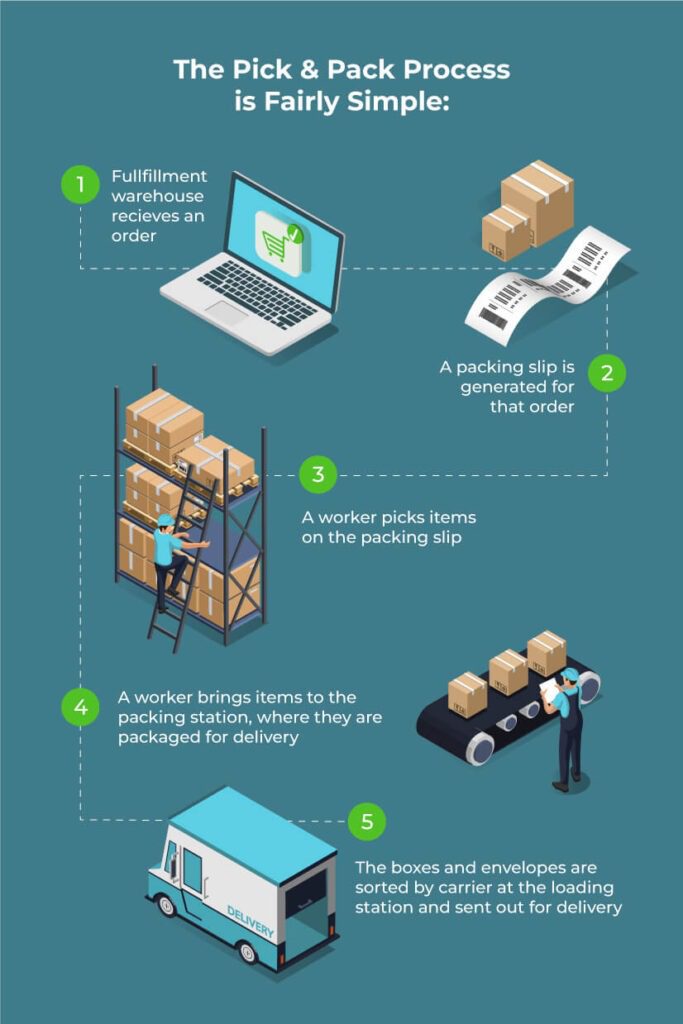

White label fulfillment begins with inventory onboarding. Products are received at a fulfillment facility, verified for accuracy, and organized by SKU, size, and variant. For apparel brands, this step is critical, as errors at this stage lead directly to mis-shipments and customer dissatisfaction.
Once inventory is live, the brand’s e-commerce platform is integrated with the fulfillment system. Orders flow automatically as soon as a customer completes checkout. From there, each order follows a predefined workflow shaped by brand guidelines how items are picked, how they are folded or protected, what packaging is used, and what inserts are included.
Shipping is executed under the brand’s name, with branded labels and tracking communications. If a return or exchange occurs, it is handled with the same discretion, ensuring customers never interact with a third-party provider directly. The brand experience remains intact even when something goes wrong.
Why Brands Choose White Label Fulfillment Services
The primary reason brands move to white label fulfillment services is control without complexity. Growth introduces operational strain. Order volumes increase, teams stretch thin, and fulfillment errors become more common. White label fulfillment replaces reactive logistics with structured, scalable systems.
For apparel brands, this control extends to presentation. Packaging quality, garment handling, and unboxing experience are all part of the product. White label fulfillment ensures these details are standardized and repeatable, regardless of order volume.
Another key benefit is focus. When fulfillment is outsourced responsibly, internal teams regain time to work on product development, marketing strategy, and customer engagement areas that directly influence revenue and brand equity.
The Benefits of White Label Fulfillment Services
White label fulfillment services deliver value on multiple levels. Operationally, they reduce shipping errors, improve delivery timelines, and streamline returns. Strategically, they protect brand consistency and enable faster scaling.
Financially, they replace fixed overhead warehouses, staffing, equipment with variable costs tied to actual order volume. This alignment makes growth more predictable and less risky, especially for brands navigating seasonal demand or product drops.
Perhaps most importantly, white label fulfillment improves the customer experience in subtle but powerful ways. Orders arrive on time, packaging feels intentional, and communication feels professional. These moments build trust, even when customers are not consciously aware of them.
Common Use Cases for White Label Fulfillment Services
White label fulfillment services are not limited to a single type of business. They are used across a wide range of models where brand perception and scalability matter.
E-commerce apparel brands rely on white label fulfillment to manage multiple SKUs, seasonal collections, and fluctuating demand. Creator and influencer brands use it to fulfill merchandise drops without building internal logistics teams. DTC startups adopt it early to appear established and professional from day one. Established brands use it to expand into new regions without investing in additional infrastructure.
In each case, the common thread is the need to grow without sacrificing control over the customer experience.
Implementing White Label Fulfillment Services Successfully
Successful implementation starts with preparation. Brands must clearly define their fulfillment standards before onboarding a partner. This includes packaging guidelines, communication tone, return policies, and quality expectations.
Integration should be tested thoroughly to ensure orders flow correctly and inventory levels remain accurate. The transition phase is critical; clear documentation and collaboration prevent disruptions during the switch.
Once implemented, white label fulfillment services should be monitored continuously. Performance metrics such as order accuracy, delivery timelines, and return handling provide insight into whether the service is supporting growth or introducing friction.
Common Questions About White Label Fulfillment Services
How are white label fulfillment services different from standard fulfillment services?
Standard fulfillment services focus primarily on moving orders efficiently. White label fulfillment services focus on delivering orders as if the brand handled them internally, maintaining brand consistency across packaging, communication, and customer touchpoints.
Are white label fulfillment services suitable for small or early-stage brands?
Yes. Many early-stage brands adopt white label fulfillment specifically to avoid operational complexity. It allows them to present a professional, scalable operation without investing heavily in infrastructure.
Can white label fulfillment services handle apparel-specific requirements?
Well-structured white label fulfillment services are designed to handle apparel complexities such as size variants, folding standards, protective packaging, and drop-based launches. Choosing a partner with apparel experience is essential.
Do white label fulfillment services limit flexibility?
In practice, they often increase flexibility. Once standards are defined, brands can scale volume, launch new products, or enter new markets without reworking internal processes.
How do returns work with white label fulfillment services?
Returns are processed under the brand’s name. Items are inspected, restocked when possible, or flagged for replacement. Customers experience a seamless return journey without third-party branding.
Is it difficult to switch to white label fulfillment services from in-house fulfillment?
The transition requires planning, but it is manageable with the right partner. Most disruptions occur when standards are unclear or when integrations are rushed. A structured onboarding process minimizes risk.
White label fulfillment services are not simply a logistical upgrade they are a strategic decision. They allow brands to scale operations, protect customer experience, and maintain brand integrity without internal complexity.
For e-commerce and apparel brands that view fulfillment as part of their identity rather than a backend task, white label fulfillment becomes a long-term growth enabler. When executed well, customers never notice the fulfillment process. They only remember that everything arrived exactly as it should and that quiet reliability is the real value of white label fulfillment services.