

One of the first and most important questions founders ask is:
“How much does private label clothing manufacturing cost in the USA?”
Private label clothing manufacturing in the USA typically costs more per unit than overseas production, but brands often save money long-term through lower MOQs, faster production, fewer defects, and better brand positioning. Costs vary based on garment type, fabric choice, order volume, and services included.
What Influences Private Label Clothing Manufacturing Costs in the USA?
Private label manufacturing costs are not a single number; they’re a combination of several variables.
The Main Cost Drivers
- Garment type and construction complexity
- Fabric and trim selection
- Order quantity (MOQ)
- Design and sampling requirements
- Printing, embroidery, or embellishments
- Quality control standards
- Packaging, warehousing, and fulfillment
Understanding these factors helps brands control costs strategically, rather than chasing the lowest quote.
Cost Breakdown: Private Label Clothing Manufacturing in the USA
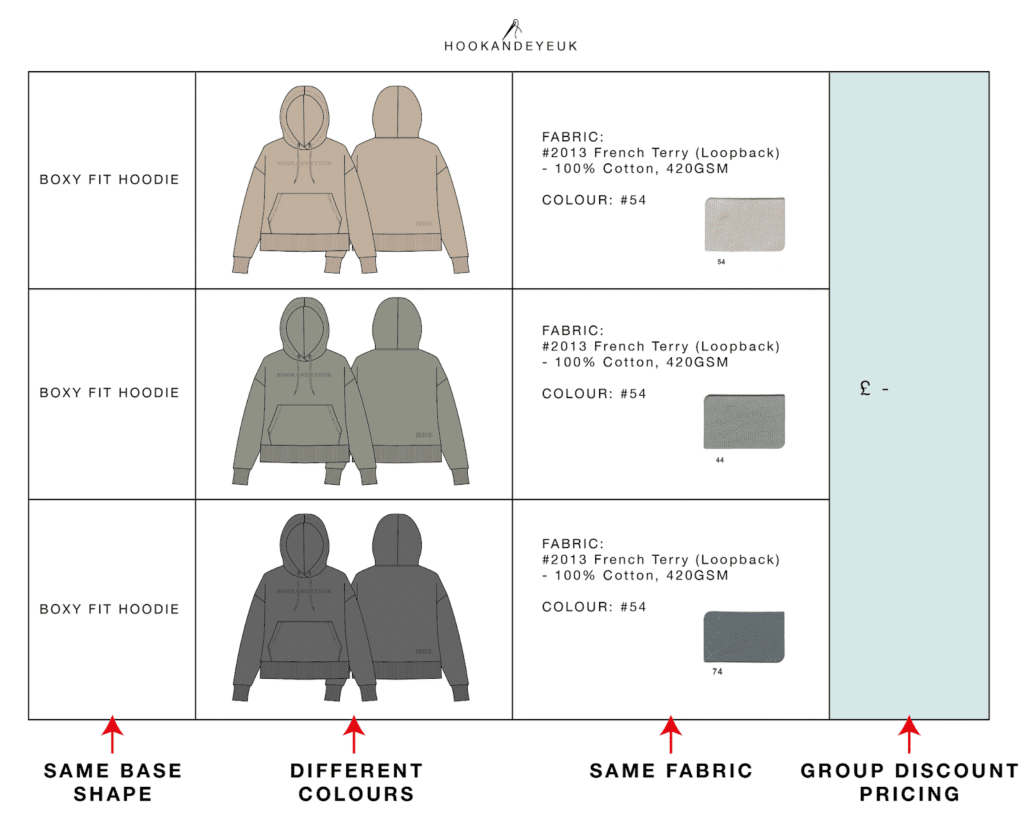
1. Design & Tech Pack Costs
If designs are not production-ready, additional costs may apply.
- Tech pack development (if needed)
- Size grading and measurement specs
- Construction and finishing details
Brands working with full-service partners often save money here because errors in tech packs can cause expensive production mistakes later.
2. Sampling Costs
Sampling is a critical investment, not an optional expense.
Costs depend on:
- Number of samples required
- Fabric type
- Garment complexity
While sampling adds upfront cost, it significantly reduces the risk of defects and rework during bulk production.
3. Fabric & Trim Costs
Fabric is one of the largest cost components in private label manufacturing.
Pricing varies based on:
- Fabric type (cotton, blends, performance, sustainable)
- Fabric weight and quality
- Domestic vs imported materials
- Color and dye requirements
Thread Vision helps brands balance cost, quality, and brand positioning, ensuring fabric choices support pricing goals and not hurt margins.
4. Manufacturing & Labor Costs
USA manufacturing involves higher labor costs but also higher consistency and accountability.
Labor costs reflect:
- Skilled workmanship
- Ethical labor practices
- Compliance with U.S. regulations
For many brands, this results in fewer defects, less waste, and more predictable timelines.
5. Printing, Embellishment & Branding Costs
Customization impacts pricing.
This includes:
- Screen printing or digital printing
- Embroidery
- Washes and finishes
- Labels, tags, and branding elements
Complex embellishments increase unit costs, but also increase perceived product value.
6. Quality Control & Compliance Costs
Quality control is often built into pricing with U.S.-based manufacturers.
This includes:
- In-line inspections
- Measurement checks
- Fabric and stitching verification
- Labeling and compliance reviews
Thread Vision follows brand-level QC standards, not just minimum factory checks.
7. Packaging, Warehousing & Fulfillment Costs
Some manufacturers charge separately, while others offer bundled services.
Packaging and fulfillment may include:
- Folding and packing
- Custom packaging
- Barcoding and labeling
- Warehousing
- Direct-to-consumer shipping
An integrated setup often reduces overall operational costs.
Typical Cost Ranges (High-Level Guidance)
While exact pricing varies, brands can expect:
- Basic apparel (T-shirts, simple tops): Lower range
- Mid-complex garments (hoodies, activewear): Mid-range
- Technical or premium garments: Higher range
Instead of focusing only on per-unit cost, brands should evaluate the total cost of ownership, including speed, risk, and resale potential.
Is Private Label Clothing Manufacturing in the USA More Expensive Than Overseas?
Yes, per-unit costs are generally higher, but the comparison is incomplete without context.
USA Manufacturing Offers:
- Faster production timelines
- Lower MOQs
- Better communication
- Stronger quality control
- Higher brand trust
Overseas Manufacturing Often Involves:
- Longer lead times
- Higher minimums
- Shipping and customs delays
- Higher risk of rework
Many modern brands start with U.S. production and expand overseas later, once demand is proven.
How Brands Reduce Private Label Manufacturing Costs (Smartly)
Cost optimization is about strategy, not cutting corners.
Smart brands:
- Start with smaller test runs
- Simplify designs initially
- Choose fabrics that balance quality and price
- Work with full-service partners
- Plan collections instead of one-off products
Thread Vision helps brands design cost-efficient products from the beginning, avoiding expensive fixes later.
Why Cost Transparency Matters (And Where Brands Go Wrong)
Many brands run into cost issues because they:
- Compare quotes without understanding what’s included
- Skip sampling to save money
- Choose fabrics that don’t match their price point
- Ignore fulfillment and logistics costs
Transparent pricing and guided decision-making are critical to sustainable margins.
Why Brands Trust Thread Vision With Cost Planning
Thread Vision approaches manufacturing costs strategically, not transactionally.
Brands work with Thread Vision because they get:
- Clear cost breakdowns
- Honest MOQ and pricing guidance
- Design-to-budget planning
- End-to-end services that reduce hidden costs
The goal isn’t just to manufacture, it’s to help brands launch profitably and scale sustainably.
Frequently Asked Questions: Private Label Clothing Manufacturing Costs in the USA
How much does private label clothing manufacturing cost in the USA?
Private label clothing manufacturing costs in the USA vary based on garment type, fabric quality, order quantity, and customization level. While U.S. production typically costs more per unit than overseas manufacturing, brands often save money overall through lower minimums, faster turnaround times, fewer defects, and quicker sales cycles. For many brands, the true value lies in speed, consistency, and brand trust, not just per-unit pricing.
Is USA private label clothing manufacturing worth the cost for startups?
Yes, especially for startups and emerging brands. U.S.-based private label manufacturing allows startups to launch with smaller quantities, test products quickly, and avoid large upfront investments. Faster communication, easier revisions, and reduced production risk make it a practical and often safer option for brands building their first collections.
What is the biggest cost factor in private label clothing manufacturing?
Fabric and labor are usually the biggest cost drivers. Fabric choice affects not only material cost but also durability, comfort, and perceived value. Labor costs in the USA are higher due to skilled workmanship and ethical standards, but they also result in better consistency, fewer production errors, and more predictable timelines.
Can brands reduce private label manufacturing costs without lowering quality?
Yes, cost reduction is possible through smart planning, not cutting corners. Brands can lower costs by simplifying designs, choosing fabrics that balance quality and price, planning collections instead of single styles, and working with a full-service partner that helps design products to fit a realistic budget from the start.
Does packaging and fulfillment significantly increase manufacturing costs?
Packaging and fulfillment add to the overall cost, but they often reduce operational complexity and hidden expenses. When handled by a single partner, brands avoid coordination issues, shipping errors, and third-party fees. Many brands find that integrated packaging and fulfillment actually improve efficiency and scalability.
Are there hidden costs in private label clothing manufacturing?
Hidden costs usually come from poor planning, not the manufacturing process itself. Common issues include rushed sampling, unclear tech packs, unexpected fabric changes, or unplanned logistics. Working with a transparent partner that explains costs upfront helps brands avoid surprises and maintain healthy margins.
Why do some manufacturers quote much lower prices than others?
Lower quotes often exclude key services such as quality control, compliance, packaging, or fulfillment. In some cases, pricing is low because materials or workmanship standards are compromised. Comparing quotes only by price can be misleading; brands should evaluate what’s included, the level of support, and long-term reliability.
How does working with Thread Vision help control manufacturing costs?
Thread Vision helps brands control costs by planning products strategically from the design stage, selecting materials that align with price goals, minimizing rework, and offering end-to-end services under one system. This approach reduces inefficiencies, avoids costly mistakes, and supports sustainable margins as brands scale.